
Beyond Drying: Mesa Water Damage Restoration Essentials
When water intrudes into a home or business, the first instinct is often to mop up visible puddles and open a few windows. In a desert city like Mesa, however, water behaves unpredictably inside modern buildings, wicking into drywall, subfloors, and insulation. Effective restoration demands a structured plan that addresses moisture at its source, safeguards indoor air quality, and prevents secondary damage. The most successful outcomes rely on timely action, systematic moisture control, and clear communication among property owners, insurers, and restoration professionals. Consider the following step-by-step essentials for navigating water damage restoration in Mesa’s unique climate.
1. Safety and source control
Before any cleanup begins, confirm electrical safety and identify where water is coming from. Shut off the supply line or isolate the affected area to stop further intrusion. Standing water can conceal hazards like sharp debris, weakened structures, or contaminated materials. Documenting initial conditions with photos and notes helps guide decisions about drying goals and material salvageability. Rapid source control reduces the likelihood of hidden moisture migrating into wall cavities and framing, where it can remain undetected.
2. Thorough assessment and moisture mapping
Moisture hides behind baseboards, under vinyl planks, and inside cabinets. A methodical inspection uses non-invasive meters, thermal imaging, and targeted probes to map wetness across surfaces and assemblies. This moisture blueprint informs a drying strategy tailored to the building’s construction, finishes, and HVAC dynamics. In Mesa, low outdoor humidity can assist evaporation, but only when airflow and temperature are managed to move vapor out of materials without spreading it to unaffected areas.
3. Strategic extraction and bulk water removal
The fastest path to dry is removing liquid water before focusing on evaporation. Weighted extraction from carpets and pads, controlled removal in tight spaces, and careful handling of saturated contents cut down drying time significantly. Halting capillary spread early protects adjoining rooms and structural elements. Once liquid is out, materials release bound moisture more predictably, allowing equipment placement and run times to be set with greater confidence.
4. Controlled demolition and material triage
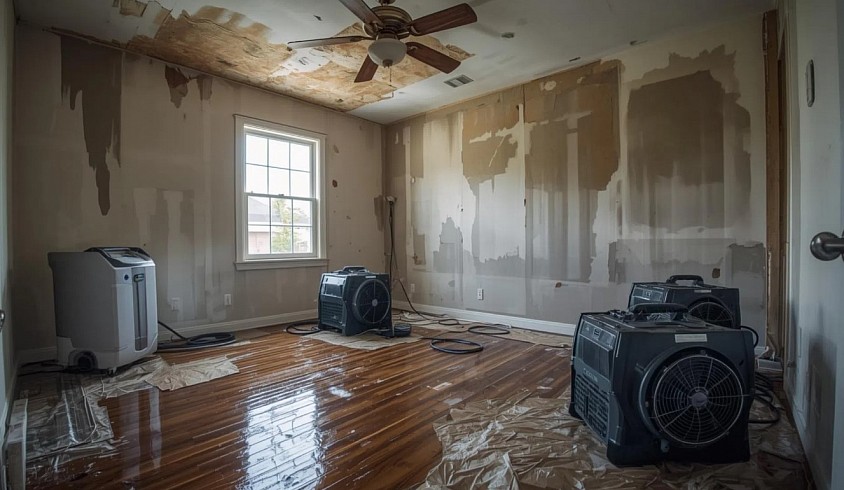
Not every wet material should be saved. Swollen particleboard, delaminated laminates, and compromised insulation often warrant removal to prevent odor and structural issues. Selective demolition—such as detaching baseboards, drilling weep holes, or cutting flood cuts—opens cavities so air can circulate and dehumidifiers can capture vapor. This measured approach limits disruption while ensuring trapped moisture doesn’t linger in hidden voids.
5. Airflow, dehumidification, and temperature balance
Drying is a science of balance. Air movers lift moisture from surfaces; dehumidifiers capture it from the air; heat accelerates evaporation within safe limits. Equipment must be sized and positioned to create a consistent airflow pattern without overdriving evaporation, which could lead to condensation elsewhere. Regular readings of humidity, temperature, and material moisture guide adjustments so the environment remains stable as surfaces rebound toward equilibrium.
6. Indoor air quality and microbial vigilance
Even in arid regions, excess moisture can fuel microbial growth on cellulose-rich materials. Proactive containment, HEPA air filtration, and surface cleaning disrupt the conditions that allow spores to spread. If an area shows persistent staining, musty odor, or elevated particulate counts, consultation with a MOLD REMOVAL COMPANY MESA can help determine whether specialized remediation is warranted. Early action reduces the need for broader interventions later and supports a healthier indoor environment.
7. Verification, repairs, and resilience planning
Drying isn’t finished until materials meet documented targets and air conditions remain stable without equipment. Post-drying verification includes moisture readings, visual checks, and odor assessment. Repairs should restore assemblies with appropriate vapor barriers, sealants, and transitions so future intrusions are less disruptive. Finally, resilience planning—such as grading improvements, plumbing maintenance, and leak detection devices—helps reduce the risk and scope of future water events, protecting both property and peace of mind.
With deliberate steps, clear documentation, and continual monitoring, water damage restoration becomes a manageable process that preserves structures, safeguards health, and restores normalcy.
Drying the Desert: Water Damage Restoration Essentials for Mesa Homes — mold removal mesa
Water emergencies don’t wait for a convenient time, and in a desert climate like Mesa, the combination of sudden storms, plumbing failures, and rapid evaporation can create unique restoration challenges. Quick action limits damage, preserves structural materials, and helps prevent secondary issues like microbial growth. Whether you’re managing a small leak or a significant intrusion, understanding the process can make all the difference from the first phone call to the final walkthrough. In this context, homeowners often learn how closely water mitigation is connected to prevention planning, indoor air quality, and timely response aligned with local conditions such as heat and low humidity. Addressing moisture the right way is essential not only for property integrity but also for a healthier living environment in the long run, especially when considerations related to mold are part of the evaluation, including needs that resemble mold removal mesa in scope and urgency.
1. Safety and initial assessment
- Begin by shutting off unsafe utilities and avoiding areas with electrical hazards.
- Document visible damage with photos and notes before moving items.
- A professional inspection identifies the water category, affected building materials, and immediate priorities to stabilize the scene.
2. Source control and containment
- Stopping the leak or intrusion is fundamental to prevent ongoing saturation.
- Containment measures, such as sealing off affected rooms, help protect clean spaces from moisture migration and airborne particles that can spread during demolition or drying.
- Negative air pressure and filtration strategies support cleaner work zones and improve air quality during restoration.
3. Water extraction and moisture mapping
- High-efficiency extraction removes the bulk of standing water quickly, which speeds up the entire recovery.
- Moisture meters and infrared cameras help locate hidden damp spots behind baseboards, under flooring, or inside wall cavities.
- Thorough mapping guides targeted drying, preventing missed areas that could cause odors or future deterioration.
4. Strategic drying and dehumidification
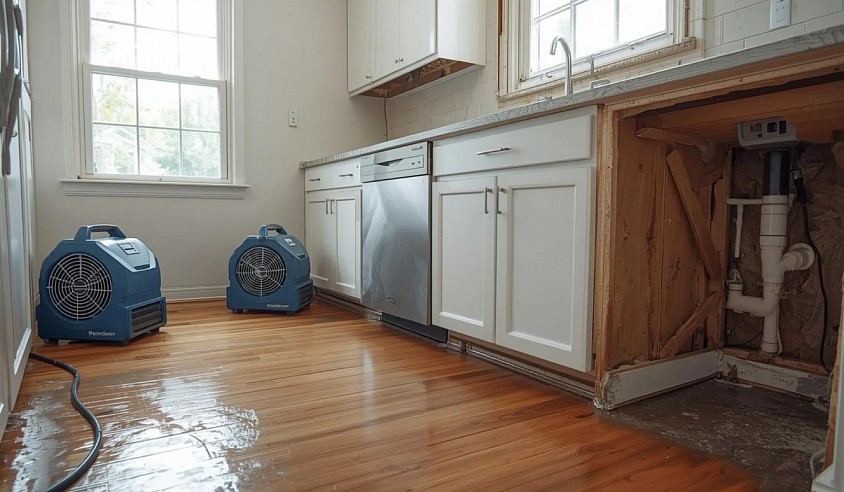
- Air movers accelerate evaporation from wet surfaces, while dehumidifiers capture moisture from the air.
- Proper equipment placement and daily adjustments ensure consistent progress across floors, walls, and structural elements.
- In hot, arid climates, balancing ventilation and dehumidification is crucial to keep indoor humidity in the optimal range for efficient drying.
5. Material decisions and sanitation
- Porous materials like saturated carpet padding or deteriorated drywall may need removal to protect adjacent components.
- Cleanable materials are treated with appropriate cleaning agents, and surfaces are sanitized to address contaminants typical of water events.
- Odor control measures help restore a fresh environment, reducing the chance of lingering smells often tied to trapped moisture.
6. Inspection for secondary issues
- After core drying, a focused evaluation checks for discoloration, warping, and musty odors that can signal deeper problems.
- If microbial concerns are identified, targeted steps mirror professional remediation practices to address impacted areas thoroughly.
- Residents seeking services comparable to mold removal mesa will appreciate that proactive moisture management is the first and most important defense against recurring growth.
7. Prevention planning and maintenance
- Address grading, gutters, and downspouts to route stormwater away from the structure.
- Insulate pipes and monitor appliance supply lines to reduce the chance of future leaks.
- Consider moisture alarms, regular HVAC maintenance, and routine inspections of vulnerable areas like bathrooms, kitchens, and attics.
A successful restoration isn’t only about drying what’s wet; it’s about restoring function, comfort, and confidence. Clear communication, detailed documentation, and a structured plan help ensure the property returns to pre-loss condition as efficiently as possible. Every step, from source control and extraction to careful monitoring and final cleaning, supports both immediate recovery and long-term durability. In a region where heat can accelerate evaporation but hidden pockets of moisture can still linger, meticulous verification is critical before calling a project complete. When handled with precision, the process safeguards materials, mitigates odors, and maintains healthier indoor air. That comprehensive approach also reduces the likelihood of future complications and aligns with the same principles that guide thorough, locally informed efforts like mold removal mesa, giving property owners peace of mind after an unexpected water event.