
Safeguarding Homes During Monsoon Season: Practical Water Damage Restoration Guidance
Why Fast Action Matters in Arid-Monsoon Climates
Mesa’s desert climate creates unique water damage patterns when monsoon storms roll in. Short, intense downpours can overwhelm drainage, push water under doors, and exploit roof vulnerabilities. In a dry environment, building materials like drywall and wood can still absorb surprising amounts of moisture, leading to swelling, warping, and microbial growth if not addressed quickly. Rapid response reduces structural stress, preserves indoor air quality, and minimizes secondary damage that often turns a manageable incident into a major restoration project.
Common Intrusion Points After Sudden Downpours
Wind-driven rain finds the path of least resistance. Typical weak spots include:
- Roof penetrations around vents and skylights
- Window and door thresholds with worn weatherstripping
- Cracked stucco or compromised siding
- Clogged gutters and downspouts
- Foundation gaps and low-lying patio doors
A routine exterior check before storm season—sealing gaps, clearing gutters, and testing sump or drainage routes—can significantly reduce risk.
The Moisture Migration Problem
Water rarely stays where you see it. It wicks through baseboards, subfloors, wall cavities, and insulation. Hidden moisture can persist, causing odors and deterioration. Moisture mapping with non-invasive meters and thermal imaging helps identify pockets behind walls or under flooring. Drying plans should address both visible and concealed areas, using sufficient airflow and dehumidification to reach target moisture levels in structural materials.
A Structured Plan to Stabilize and Dry
Stabilization is about stopping further intrusion and preventing additional deterioration. Then, controlled drying returns materials to safe moisture ranges.
1) Stop the source and make the area safe.
2) Document the condition with photos and notes.
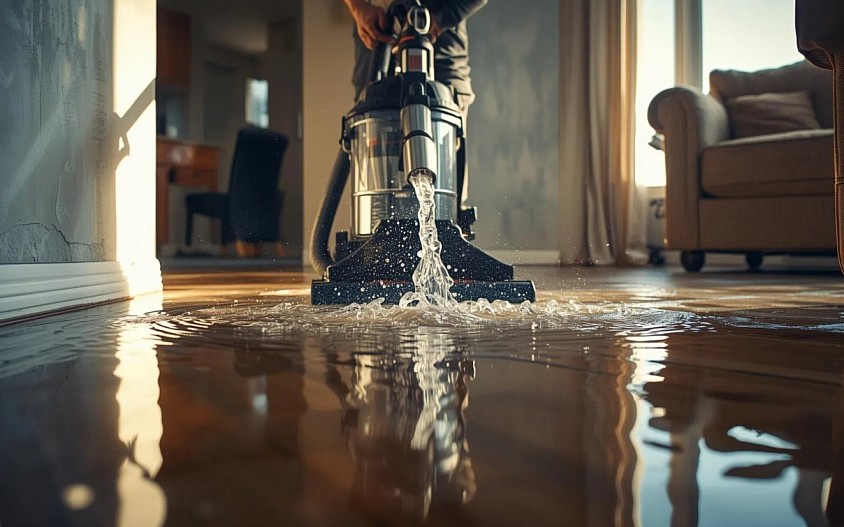
3) Extract standing water using pumps or wet vacuums.
4) Remove unsalvageable materials that trap moisture.
5) Establish balanced airflow and dehumidification.
6) Monitor and adjust equipment based on daily readings.
7) Sanitize impacted surfaces and verify dryness before rebuild.
This phased approach maintains momentum while preventing over-drying or cross-contamination.
Contents Care and Salvage Choices
Belongings affected by stormwater require quick triage. Porous items such as untreated wood furniture or paper goods degrade fast. Washable textiles can often be laundered or cleaned with antimicrobial solutions. Electronics should be assessed before powering on. For high-value items—art, heirlooms, instruments—specialty drying and stabilization may preserve function and appearance when addressed early.
Health and Safety Considerations Indoors
Even clear rainwater can pick up contaminants from roofs, landscaping, and exterior surfaces. Prioritize safety:
- Turn off power to impacted zones if outlets or cords are wet
- Wear gloves and protective footwear
- Ventilate while avoiding unfiltered outdoor humidity during active storms
- Isolate affected rooms to limit airborne particulates
- Dispose of saturated insulation that cannot be restored
If odors persist or occupants experience irritation, halt DIY work and reassess the drying plan and filtration.
When Professional Help Makes a Difference
The line between simple cleanup and full restoration appears when water reaches subfloors, wall cavities, insulation, or large areas of carpet and pad. Trained technicians bring calibrated moisture meters, containment methods, negative air, and equipment sizing strategies that accelerate drying while protecting the building envelope. They also provide documentation for insurers and coordinate safe rebuild once materials are verified dry.
Post-Storm Readiness Checklist for Homeowners
1) Inspect roof edges, flashing, and sealant after the first heavy rain.
2) Confirm gutters and downspouts flow freely away from the foundation.
3) Test landscape grading to ensure water drains from the home.
4) Replace worn weatherstripping and door sweeps.
5) Create a “storm kit” with tarps, towels, plastic sheeting, and a wet/dry vacuum.
Member Spotlight
Noble Restoration LLC
2266 S Dobson Rd #200
Mesa, Arizona, 85202
602-556-2223
https://noblerestorations.com/
For reliable water damage restoration mesa support, Noble Restoration LLC serves homeowners and businesses across Mesa, Arizona. Noble Restorations provides fast, reliable water damage restoration, fire damage restoration, mold damage cleanup, and professional mold removal services for homeowners and businesses. When unexpected damage strikes, their experienced team responds quickly to assess the situation, stop further damage, and restore your property safely and efficiently. From emergency water extraction and structural drying to complete mold remediation and mold removal, Noble Restorations uses advanced equipment and proven restoration methods to bring properties back to pre-loss condition. Whether you are dealing with flooding, fire damage, or hidden mold growth, Noble Restorations is committed to providing dependable restoration services with clear communication and quality workmanship you can trust.